
Flight cancellations can be frustrating, especially when you’re excited about your trip or when plans are already set. Many travellers often wonder why IndiGo flights sometimes get cancelled even though the airline is known for punctuality and a large network. The truth is simple: most cancellations happen due to reasons that are beyond the airline’s control. Understanding these factors helps you plan better and reduces your travel stress.
1. Weather Conditions: The Most Common Reason
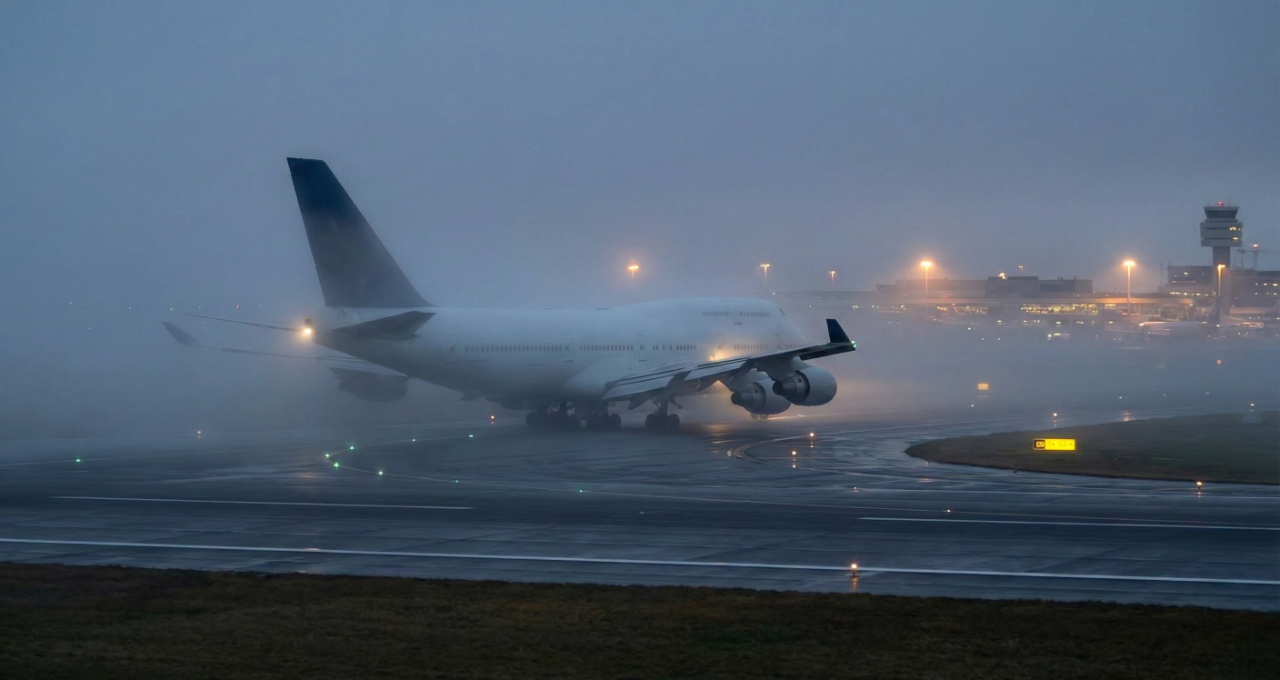
The biggest reason for cancellations—across all airlines—is bad weather. Heavy rain, fog, storms, or strong winds can make take-off and landing unsafe.
Airlines must follow strict safety rules, and if visibility is too low or runway conditions are risky, flights may be delayed or cancelled.
This happens more often during:
-
Winter fog in North India
-
Monsoon season
-
Cyclones near coastal areas
Safety always comes first, which is why weather-related cancellations are unavoidable.
2. Technical Checks and Aircraft Maintenance
Every airline, including IndiGo, performs mandatory safety checks before each flight.
If an aircraft requires additional inspection, repair, or a replacement part, the flight can be delayed or cancelled to avoid any risk.
Technical issues may include:
-
Engine warnings
-
Navigation system alerts
-
Hydraulic or electrical checks
These cancellations may feel inconvenient, but they ensure that every passenger flies on a fully safe aircraft.
3. Air Traffic Congestion and Operational Restrictions
Busy airports like Delhi, Mumbai, Bengaluru, and Kolkata often experience heavy air traffic.
When too many flights operate at the same time, the airport authorities may instruct airlines to delay or cancel flights.
Reasons include:
-
Runway closures
-
Airspace restrictions
-
High traffic during peak hours
-
VIP movement
-
Airport construction or maintenance
Airlines must follow these regulations to maintain safe spacing between aircraft.
4. Crew Duty Time Regulations
Pilots and cabin crew follow strict duty-time rules to ensure they are well-rested.
If there is a long delay earlier in the day or sudden changes in schedules, the crew may “time out.”
In such cases, the airline cannot legally operate the next flight until a fresh crew arrives.
When no replacement crew is available on short notice, the flight may get cancelled.
5. Route or Schedule Adjustments
Sometimes airlines adjust schedules to match demand, optimize routes, or respond to seasonal traffic changes.
On rare occasions, low passenger load or operational rearrangements may cause a flight to be cancelled and merged with another.
This usually happens during:
-
Off-season travel
-
Late-night routes
-
Less busy weekdays
Passengers are usually rescheduled on the next available flight.
Conclusion
Cancellations are never ideal, but they often occur due to safety, weather, or operational reasons that apply to every airline—not just IndiGo. Understanding why IndiGo flights get cancelled helps you stay calm, plan ahead, and make more informed travel decisions. Checking weather forecasts, enabling airline notifications, and keeping backup time in your itinerary can make your travel experience smoother.





Leave a Comment