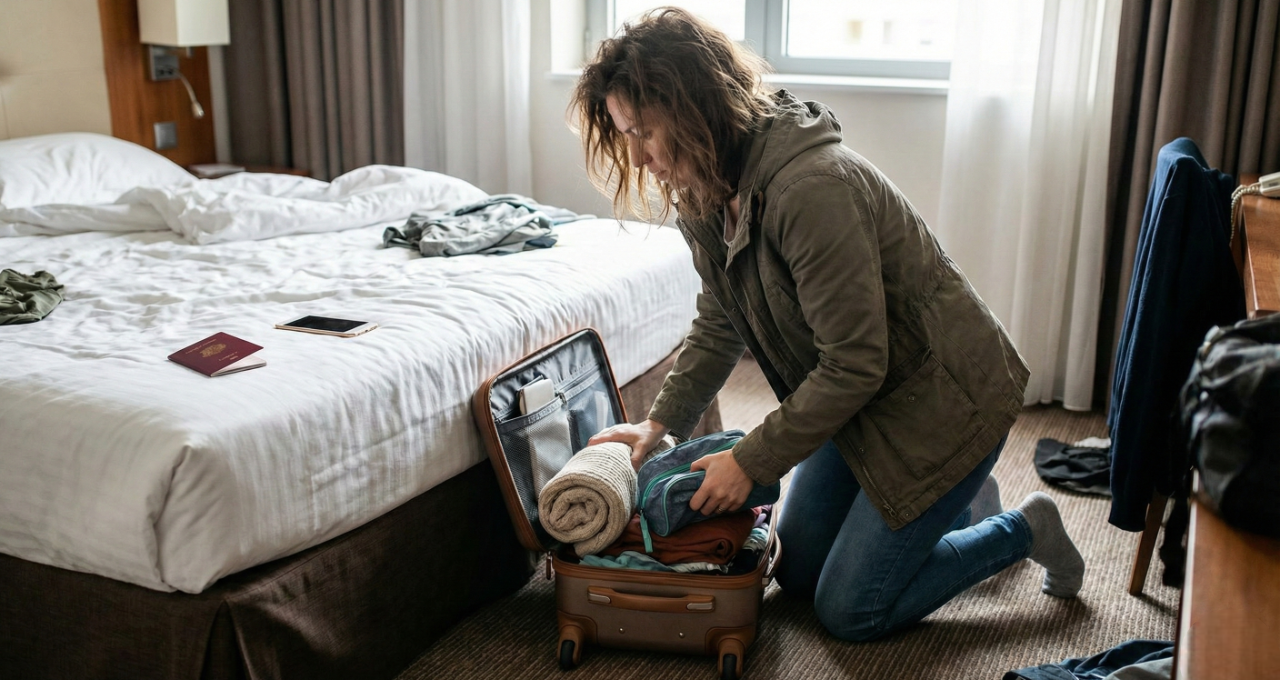

Life doesn’t always give you time to plan. Sometimes you receive a phone call, a message, or an unexpected situation that forces you to pack your bags immediately. These moments are what we call urgent travel—and they can be overwhelming if you’re not prepared.
Whether it’s a family emergency, sudden work assignment, or a last-minute opportunity you simply cannot miss, urgent travel requires calm thinking, fast decisions, and smart preparation. This blog will help you navigate the chaos while staying organised, confident, and ready to move.
What Is Urgent Travel?
Urgent travel refers to any trip that must be taken immediately, often within hours or a day. There’s little to no planning time, and the priority is reaching your destination quickly and safely.
Unlike regular travel, urgent travel is driven by urgency, not luxury. Efficiency becomes more important than convenience.
Common Reasons for Urgent Travel
Urgent trips can happen to anyone at any time. Some of the most common reasons include:
1. Family Emergencies
Medical situations, unexpected events, or important family matters may require immediate travel.
2. Sudden Work Assignments
Businesses often send employees on last-minute trips for urgent meetings, project requirements, or client visits.
3. Legal or Documentation Issues
Passport renewals, embassy visits, and visa emergencies can force quick travel plans.
4. Special Opportunities
Sometimes opportunities—like interviews, project pitches, or once-in-a-lifetime events—come without warning.
How to Prepare for Urgent Travel Efficiently
Handling a last-minute trip becomes easier when you know what to focus on. Here’s how to stay composed and organised:
1. Pack Only the Essentials
Stick to what you truly need:
-
IDs and travel documents
-
Wallet, cards, emergency cash
-
Basic clothes and toiletries
-
Phone and chargers
The goal is speed, not perfection.
2. Keep Your Travel Documents Ready
A major cause of delays is missing documents. Always keep:
-
Your passport
-
Visa copies
-
ID cards
-
Medical records (if needed)
Digitally store them in your phone as a backup.
3. Use Fast Transportation Options
Look for immediate availability:
-
Last-minute flights
-
Express trains
-
Overnight buses
-
Ride-hailing services
Choose options that take you closest to your destination with minimum steps.
4. Book Accommodation Quickly
You don’t need luxury during urgent travel—just safety and accessibility. Prioritise:
-
Hotels near your destination
-
Places with 24/7 check-in
-
Trusted booking platforms
5. Inform the Necessary People
Always let a close contact know where you’re heading. Share your travel details for safety and support.
Money-Saving Tips for Urgent Travel
Last-minute bookings can be expensive, but these tips help you keep costs low:
1. Use Price Alerts or Last-Minute Deals
Many apps offer last-minute flight and hotel discounts.
2. Be Flexible With Timing
A flight just 2–3 hours later may be half the price.
3. Check Alternate Airports or Stations
Nearby travel points often have cheaper options.
4. Carry Snacks and Water
It may sound simple, but airport food can cost triple during emergencies.
How to Stay Calm During Urgent Travel
Urgent travel is stressful, but your mindset matters.
1. Take a Breath Before Deciding
A calm mind helps you avoid mistakes.
2. Create a Quick Checklist
This prevents last-minute panic about missing essentials.
3. Focus on Safety First
Don’t rush into unsafe transport or unknown accommodation.
4. Accept Imperfection
You won’t have a perfect plan—and that’s okay. The goal is to reach on time.
Why Being Prepared Makes Urgent Travel Easier
You can’t always predict emergencies, but you can stay prepared.
Keeping your documents ready, saving emergency numbers, and maintaining a basic packed kit makes urgent travel faster and less stressful.
Even a little preparation goes a long way during an unexpected journey.
Conclusion
Urgent travel can be challenging, but it doesn’t have to be chaotic. With the right mindset, quick decisions, and essential preparation, you can manage any last-minute trip confidently.
Whether it’s a personal emergency or sudden professional requirement, staying organised helps you reach your destination safely and swiftly.





Leave a Comment